
Our Occupational Therapy Services
Balance and Bloom Occupational Therapy provides practical, person-centred support across the lifespan, from early childhood through adolescence and adulthood.
Our services are tailored to what matters most to each person, supporting participation, independence, confidence, and wellbeing across everyday life at home, in education, employment, the community, and beyond.
OT Services Offered
Balance and Bloom offers a range of support options so therapy can fit each child and family.
Initial Consultation
An initial appointment helps clarify concerns, understand priorities, and set goals. It also helps plan what support could look like across home, school, work and community.

Therapeutic Sessions
Ongoing occupational therapy sessions are tailored to the individual, with a focus on supporting participation, independence, confidence, and meaningful everyday activities.
Therapeutic support may include developing skills for personal care and domestic tasks, building confidence and independence in accessing the community, supporting routines and organisation, exploring strategies for work, study or daily activities, and practising meaningful activities in real-life environments. Where appropriate, occupational therapy may also involve assessing the home, workplace, education setting, or community environment to identify barriers to participation, improve safety, and recommend practical adjustments or supports.
Strategies and recommendations are practical, achievable, and designed to carry over into everyday life. Sessions can be delivered face-to-face at our Queanbeyan clinic, via Telehealth, or within relevant environments such as the home, education, workplace, or community where appropriate.
Report Writing
Comprehensive and functional occupational therapy reports can provide a clear picture of an individual’s strengths, needs, functional capacity, and support requirements.
Reports are tailored to the purpose of the assessment and the individual’s circumstances, with practical recommendations that can be understood and implemented in everyday environments.
Report writing may include Functional Capacity Assessments (FCAs), assessment summaries, assistive technology recommendations, home and environmental assessments, and reports to support funding, service planning, education, employment, or other relevant needs.
Where appropriate, reports can draw on information from standardised assessments, functional observations, interviews, consultation with support networks, and assessment of everyday activities and environments. Recommendations are designed to support meaningful participation, safety, independence, and quality of life.
Assessments
(Standardised and Non-Standardised)
Assessments are used when helpful to understand an individual’s strengths, needs, functional capacity, and the factors that may support or limit participation in everyday life. Balance and Bloom uses a combination of standardised and non-standardised assessment tools, selected according to the person’s age, goals, circumstances, and the questions the assessment is intended to answer.
Assessment may explore areas such as sensory processing, cognition, motor skills, emotional regulation, daily living skills, executive functioning, participation, independence, and functional capacity. This may include questionnaires, interviews, observation, functional tasks, and assessment of relevant environments.
The aim is to develop a meaningful understanding of the individual and provide practical recommendations that support participation, safety, independence, and wellbeing.
Who We Can Help
Balance and Bloom Occupational Therapy supports all people across the lifespan from children to aged care.
Support may help people who experience:
- Differences in development, learning, attention, or executive functioning
- Neurodivergence, including autism, ADHD and PDA
- Sensory processing differences or sensory needs
- Anxiety, emotional regulation, confidence, or wellbeing challenges
- Motor coordination, movement, or physical functioning difficulties
- Challenges with self-care, daily routines, or everyday activities
- Difficulties with independence, organisation, planning, or managing daily life
- Changes in function following injury, illness, disability, or life transitions
- A need for assistive technology or environmental supports to increase safety, accessibility, and independence
Support is individualised and focused on helping people participate in the activities and roles that are meaningful to them. Collaboration with families, carers, educators, support workers, employers, health professionals, and other members of a person’s support network may be included where helpful, including case conferences, shared planning, and coordinated recommendations.
A formal diagnosis is not required to access occupational therapy support.
Types of Therapy and Support Available
Support is designed around functional goals and real-life participation. Depending on the person, this may include:
Fine motor and handwriting foundations
Support for hand strength, grasp patterns, coordination, and the building blocks for drawing, writing, cutting, and other everyday tasks.
Gross motor and coordination
Support for balance, posture, body awareness, and coordination for play, movement, and confidence in physical activities.
Cognitive skills
Support for the skills that help people plan, organise, and follow routines. This may include attention, task initiation, sequencing, flexible thinking, and coping with change.
Sensory processing and regulation support
Understanding sensory needs and building practical regulation supports that fit daily life, including routines, environmental adjustments, and strategies for overwhelm.
Parent education and multidisciplinary collaboration
Clear guidance for parents and carers, plus collaboration with educators and other professionals when helpful, so strategies are consistent across settings.
Equipment prescription
Recommendations for equipment and supports that improve participation and independence at home or school, when appropriate.
Benefits of Working with an Occupational Therapist
Occupational therapy can support people of all ages to participate more fully in the everyday activities, roles, and environments that are meaningful to them. Support is tailored to the individual and may focus on building skills, developing practical strategies, adapting environments, or finding new ways to approach everyday activities.
Benefits may include:
- Increased independence with personal care, domestic tasks, routines, and everyday activities
- Improved participation in education, employment, community activities, social situations, and meaningful interests
- Development of practical strategies for emotional regulation, sensory needs, attention, organisation, planning, and coping
- Support for motor skills and physical functioning, including coordination, mobility, strength, and functional movement
- Greater confidence and autonomy in completing everyday activities and navigating different environments
- Improved safety and accessibility through assessment of home, workplace, education, and community environments
- Assistive technology and equipment recommendations to support independence, participation, and safety
- Practical strategies and environmental adjustments that can be incorporated into everyday routines
- Support through life transitions, changes in function, injury, illness, disability, or changing support needs
- Collaboration with families, carers, educators, support workers, employers, and other professionals where appropriate to create consistent and meaningful support
Our goal is to help each person feel capable, supported, empowered, and able to participate in the activities and environments that matter most to them.
The Balance and Bloom Difference
Balance and Bloom offers a warm, individualised approach that places the person and their family/carer at the centre of care. The approach combines evidence-informed practice with compassion and collaboration to help people feel capable, confident, and engaged in everyday life.
A neuroaffirming approach that respects neurodiversity
Trauma-informed care that prioritises safety, predictability, and trust
Family-centred therapy shaped around real routines and goals
20+ years’ experience supporting children, families, and education settings
Lived experience that supports practical, respectful, strengths-based care
A whole-environment focus across home, school, and community
About the Clinic Space
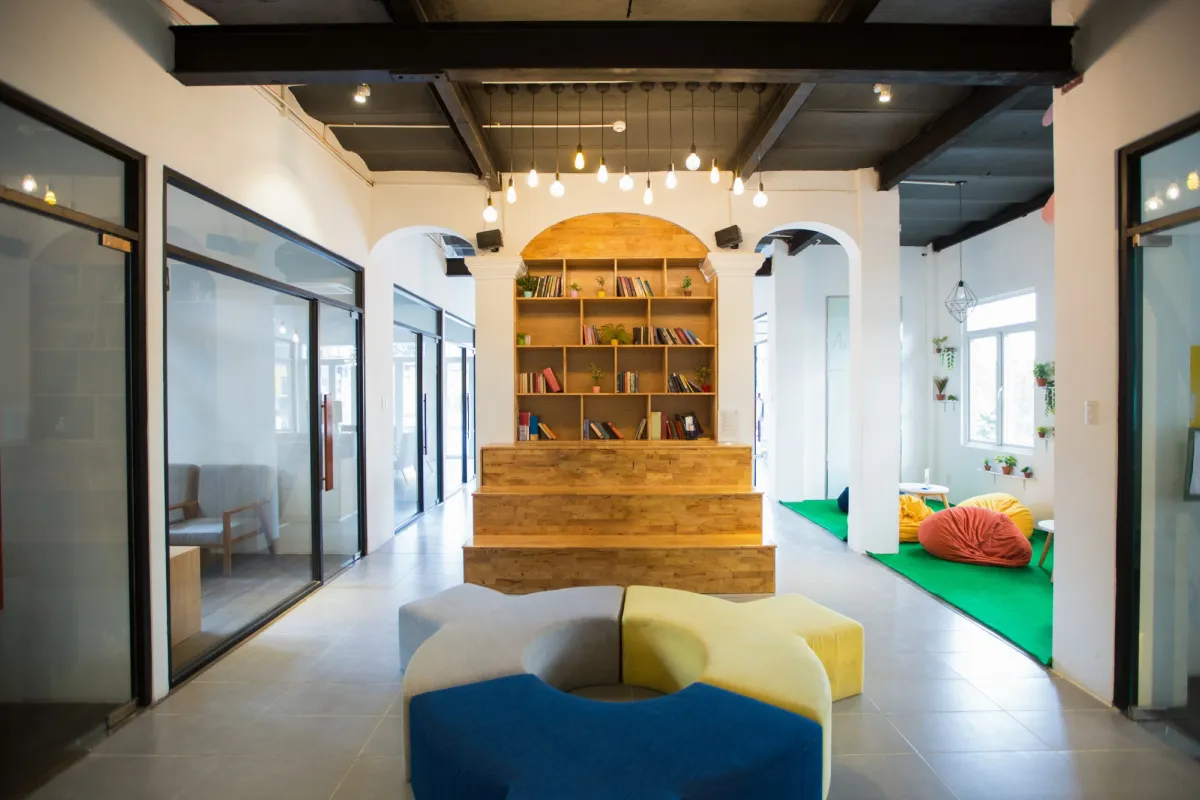
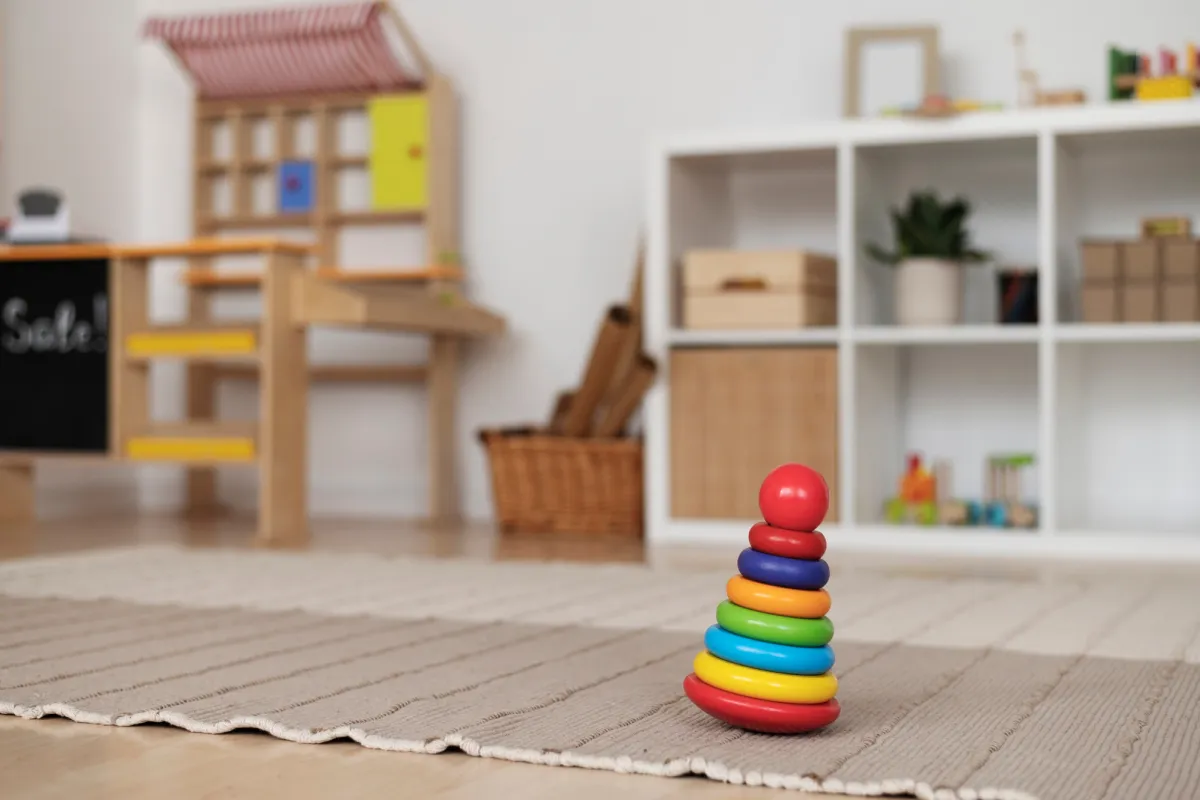
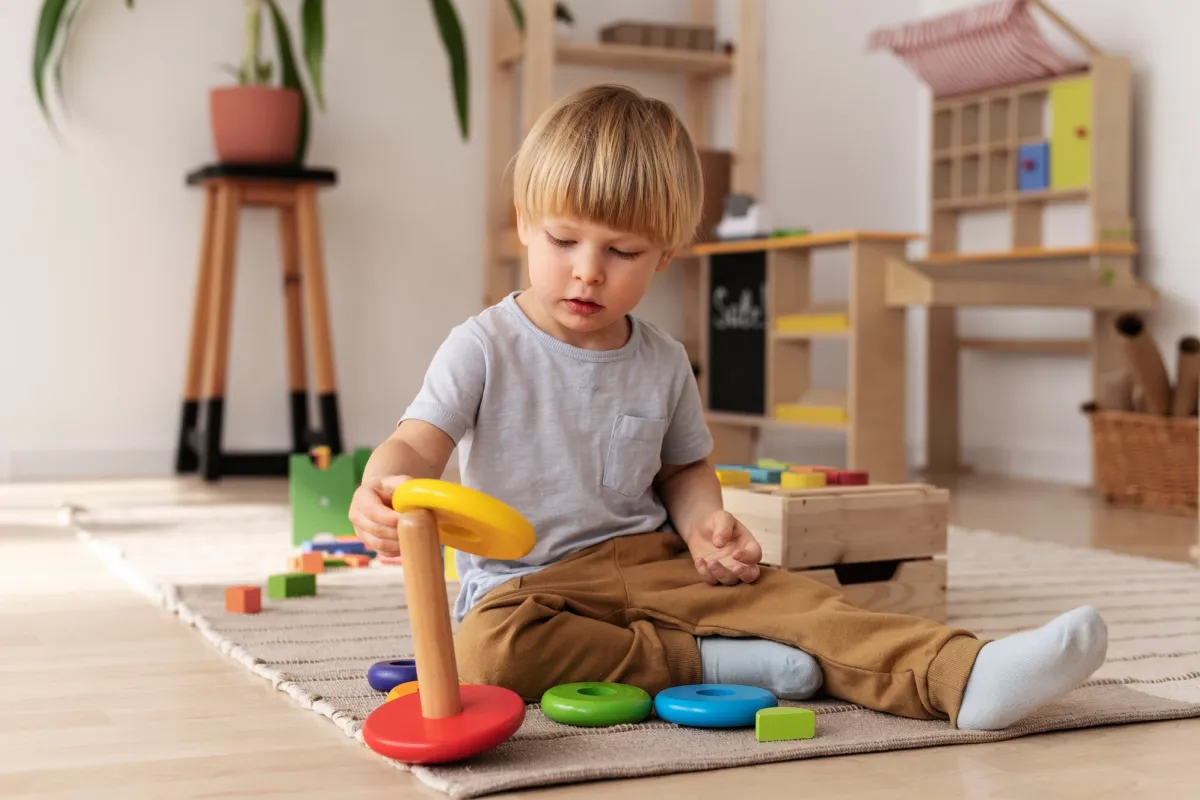
The clinic space is designed to feel calm, welcoming, and supportive, with consideration for sensory needs and comfort. Sessions are flexible and tailored to each person’s interests and goals. The local community may also be used during sessions or assessments when it supports real-life participation goals.
Frequently Asked Questions
Do we need a diagnosis to start?
No. Families can access occupational therapy support without a formal diagnosis. Support can begin while families are seeking answers or waiting for assessments.
Do you accept NDIS funding?
Balance and Bloom supports families using NDIS funding where appropriate. For full details, including funding types and what is needed to get started, please see Fees and policies.
What are your fees and cancellation policy?
Fees, session lengths, and cancellation policies are outlined on the Fees & Policies page.
Ready to get started?
Join the waitlist or send a general enquiry. It is okay to reach out even if you are not sure what support is needed yet.