
About Balance and Bloom Occupational Therapy
Balance and Bloom Occupational Therapy is a lifespan Occupational Therapy practice supporting people across all stages of life, from early childhood through adolescence and adulthood, across Queanbeyan and Canberra.
Support is practical, person-centred, and shaped around what matters most to each individual. We consider the whole person and their environment to support participation, independence, confidence, and wellbeing across everyday life; at home, in education, employment, the community, and beyond.
Supporting balance. Nurturing growth.
The Philosophy Behind Balance and Bloom
At Balance and Bloom Occupational Therapy, we recognise that wellbeing, participation, and a sense of belonging are nurtured through connection, meaningful relationships, and opportunities to engage in the activities that matter to us.
Every person deserves the opportunity to access, participate meaningfully, and belong in their world.
We believe in creating pathways that celebrate individuality, strengths, interests, and identity. Adaptations and adjustments are embraced as tools for inclusion, not as limitations, supporting people to participate in ways that work for them.
Our approach is holistic, collaborative, and person-centred. We consider the individual, their environment, and the activities that are meaningful to them, working alongside families, carers, educators, support workers, employers, and multidisciplinary teams where appropriate.
Whether supporting development through play, building independence in everyday activities, navigating life transitions, or finding practical ways to increase participation, our goal is to help each person feel understood, capable, and empowered to engage in life in their own way.

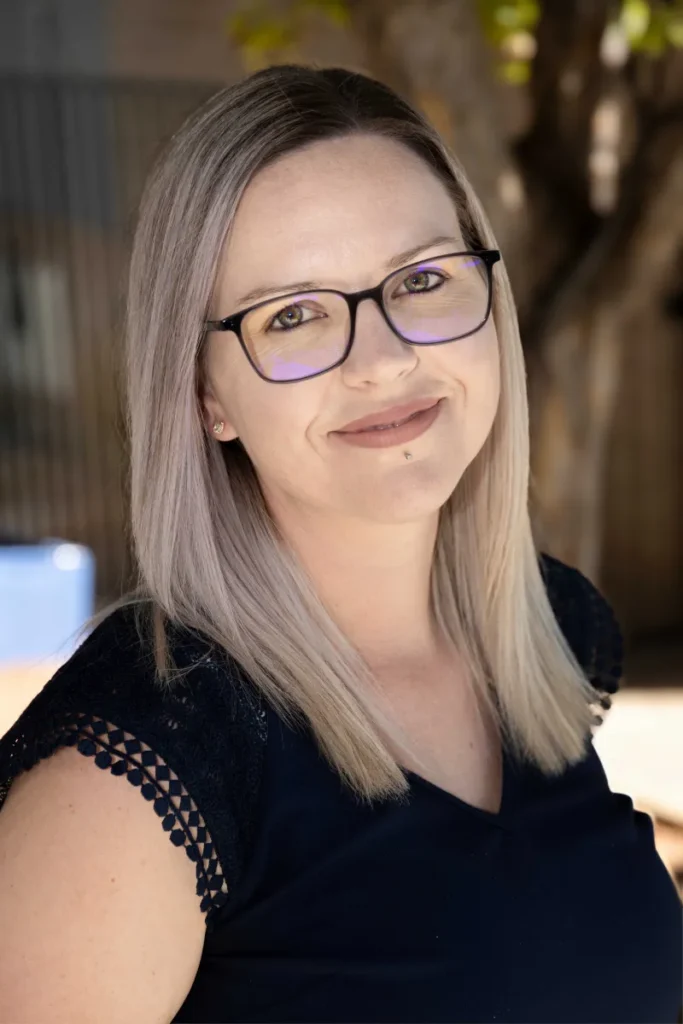
Meet Ashleigh Daly
Occupational Therapist
Balance and Bloom was founded by Ashleigh Daly, a registered Occupational Therapist and qualified Early Childhood Teacher with more than 20 years’ experience supporting children, families in education settings.
Ashleigh brings a strong foundation in paediatric and early childhood practice, alongside a growing focus on supporting people across the lifespan. Her approach is grounded in understanding the whole person; their strengths, goals, environment, relationships, and the activities that are meaningful to them.
Ashleigh also brings lived experience as a mum of neurodivergent children, which has shaped a deeply empathetic and respectful approach to practice. She values connection, advocacy, inclusion, and practical support that recognises each person as the expert in their own life.
People and families can expect support that is warm, collaborative, strengths-based, and focused on making everyday life more manageable, meaningful, and accessible.
Our Approach in Practice
Neuroaffirming
A neuroaffirming approach recognises and respects neurodiversity, valuing differences in how people think, communicate, experience, and interact with the world. Rather than trying to change who someone is, Balance and Bloom focuses on understanding individual needs, strengths, preferences, and ways of doing things.
Support is developed collaboratively to identify strategies, environmental adjustments, and practical supports that promote autonomy, participation, confidence, and wellbeing. We aim to create spaces where people feel understood, respected, and empowered to engage in life in ways that work for them.
Trauma-informed
Trauma-informed practice prioritises emotional and physical safety, trust, predictability, choice, and autonomy. Balance and Bloom recognises that past experiences can influence how a person feels, communicates, responds, and engages with everyday activities and support.
Sessions are paced to the individual, with flexibility to accommodate their needs, preferences, communication style, and readiness to participate. The focus is on building trust and creating a supportive environment where people feel respected, heard, and empowered to engage without pressure.
Person and Family centred
Person and family centred care means goals are shaped around what matters most to the individual and, where appropriate, their family or support network. Balance and Bloom provides practical strategies and recommendations that fit real routines, environments, and everyday life.
Support is collaborative and can involve families, carers, educators, support workers, employers, and other professionals where helpful, helping to create consistent and meaningful support across the settings that matter to each person.
What People and Families Can Expect
Balance and Bloom Occupational Therapy offers a unique blend of occupational therapy, grounded in lived experience and a deep understanding of neurodiversity. Our approach is practical, compassionate, and focused on creating meaningful change in the environments and activities that matter to each person.
People and families can expect:
- A calm, welcoming and accessible space where individual sensory needs, comfort, communication, and preferences are considered
- Person-centred sessions with clear structure, flexibility, and choice
- Practical strategies and recommendations that can be incorporated into everyday life
- Support across home, education, employment, community, and other meaningful settings
- Collaboration with families, carers, educators, support workers, employers, and other professionals where appropriate
- Clear goals, regular review, and shared planning to ensure support remains relevant as needs and circumstances change
- A strengths-based, neuroaffirming, and trauma-informed approach that respects each person’s individuality and autonomy
Values That Guide Our Work
- Inclusion and belonging
- Respect for neurodiversity
- Collaboration with families and teams
- Strengths-based, child-led practice
- Compassion and connection
Where Support Happens
Support is available through:
- Face-to-face clinic sessions in Queanbeyan
- Telehealth appointments
- Mobile appointments (school and home)
Support can start with a simple conversation.
Getting started can be as simple as reaching out with a question or booking an initial conversation. Together, we can talk about what is happening day to day, what matters most to you, and where you would like support.
From there, we can explore your priorities and determine the most helpful next step, whether that is assessment, practical strategies, environmental adjustments, assistive technology, or ongoing occupational therapy support.